





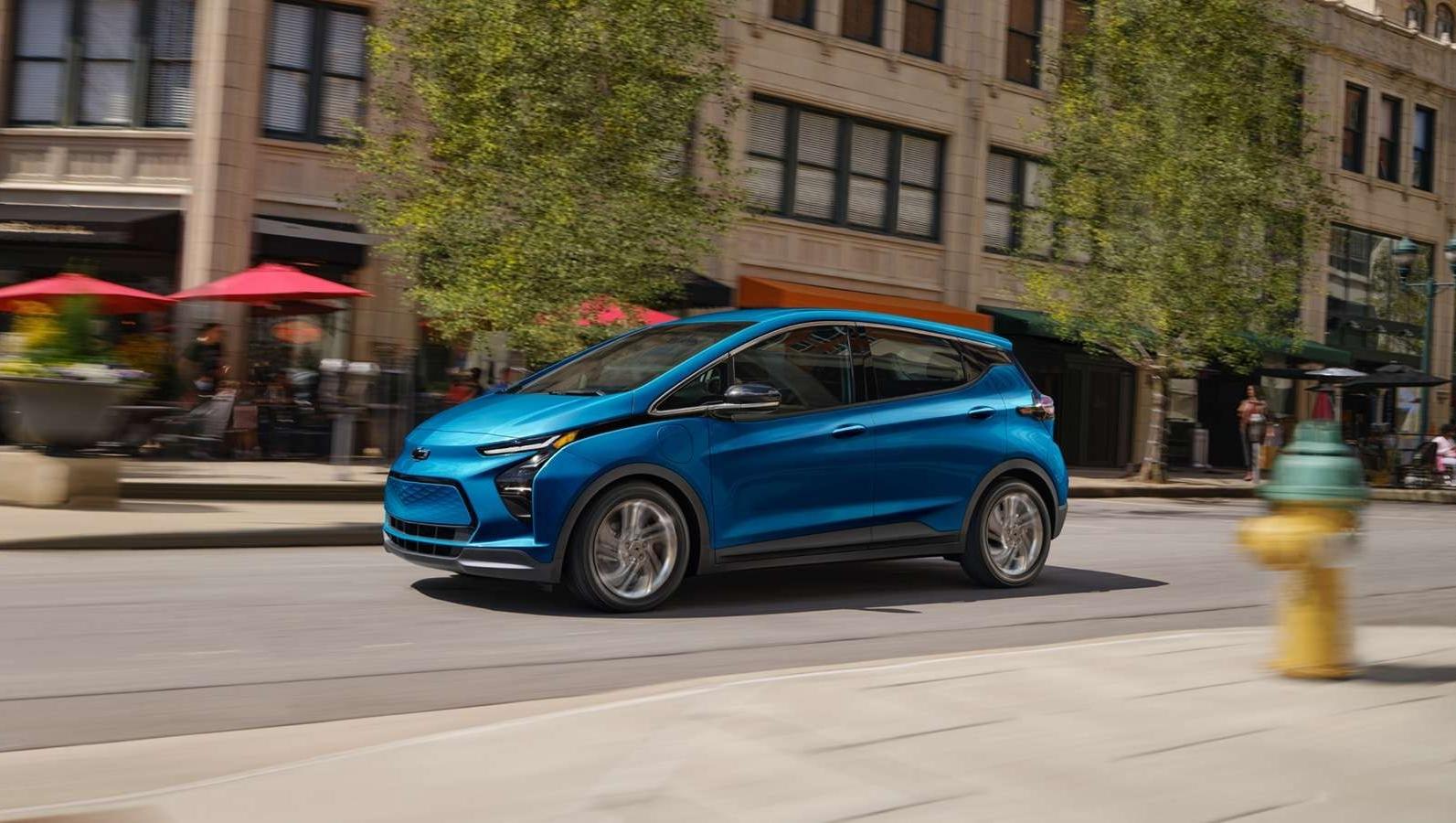
In 2023, Chevrolet offers motorists the Bolt EV and Bolt EUV. Both are sustainable electric vehicles aiming to appeal to eco-conscious consumers, so you may be wondering what the difference is. Here, we compare these vehicles side-by-side, so you can understand the differences between the 2023 Chevrolet Bolt EV and the 2023 Chevrolet EUV and decide which vehicle suits you best.
Cool Good Looks
At first glance, it’s obvious that the Bolt EV and Bolt EUV are siblings. The Bolt EV is cute and more compact, while the Bolt EUV has a larger, more masculine design. It’s not just the extra 6.3 inches of length and the 2.9 inches larger wheelbase that helps it cut a more imposing figure. The faux skid plate on the front fascia, split headlamps, and more defined angles all work to give the EUV just a little more attitude.
Impressive MPGe And Driving Range Ratings
When you’re buying an electric vehicle, its MPGe and driving range are all important. With both vehicles using the same 65 kWh lithium-ion battery and powertrain system, the lighter Bolt EV comes out on top. It has an MPGe of 120, which is five miles better than the Bolt EUV. The EV also has a better driving range of 259 miles, although the EUV isn’t far behind, with a range of up to 247 miles.
Outstanding Performance
The Bolt EV’s lighter frame makes it a little bit zippier on the road. It reaches zero to 60 mph in just 6.5 seconds, compared to seven seconds for the Bolt EUV. However, once the cars are at speed, the capable powertrain offers more than enough pep, no matter which model you choose.
When you own an electric vehicle, how it performs off the road is just as important as how it charges when you’re traveling. With a DC fast charger, you can recharge the batteries of both vehicles in 30 minutes. Expect around seven hours to charge them fully using a 240-volt charger.
Interior Space For You And Your Family
Both Bolts are five-seater vehicles made for hauling couples and a few kids. While the Bolt EUV is six inches longer than the EV, the differences between these cars are marginal where it really counts. The Bolt EV has 93.9 cu ft of passenger volume, only slightly more than the 96.5 cu ft on offer in the Bolt EUV. You mostly gain that extra space in rear legroom, so the EUV may be a good option if you have tall teens or regularly carpool.
Cargo Space And More Storage
While the Bolt EUV is a longer vehicle, it’s got slightly less room in the trunk. This premium model boasts 16.3 cu ft of cargo space behind the rear seats, which increases to 56.9 cu ft with the seats folded down. That’s marginally smaller than the EV, which has 16.6 cu ft in standard mode and 57 cu ft when you lay down the seats.
While the Bolt EUV’s trunk is slightly smaller, it makes up for it with some extra storage features. Under-seat storage, which is exclusive to the Bolt EUV, helps you stash away any smaller items you might need. If you regularly carry large cargo, such as kayaks or surfboards, the Bolt EUV may be a better option for you. It’s the only Bolt electric vehicle that comes with a standard roof rack with side rails. You can also order cross rails for added functionality from your Chevrolet parts store.
Sophisticated Interior Options
While there’s little difference between the space these vehicles offer, the Bolt EUV is undeniably more comfortable than the Bolt EV. Sophisticated leather upholstery comes standard. This luxury upholstery is optional for Bolt EV drivers, and if you don’t want to pay extra, you get serviceable but less appealing cloth.
With the Bolt EUV, you have the option to make your seating even more comfortable in all conditions. Chevrolet offers ventilated front seats and heated rear outboard seats as optional extras. These opulent selections aren’t available with the Bolt EV. The Bolt EUV’s optional panoramic sunroof, with a dual-panel power sunshade for UV ray reduction, also elevates this electric vehicle.
Cutting-Edge Technology On Board
Chevrolet has treated Bolt buyers to some quality tech features in both vehicles. The 10.2-inch touch screen is more sizable than the screens in many economy vehicles. It integrates with Apple CarPlay and Android Auto and comes standard with Chevrolet’s 3 Plus infotainment system and Safety Assist. However, the dual-level charge cord that’s an optional extra in the Bolt EV is standard in the Bolt EUV.
A rear seat reminder is another standard feature in the Bolt EUV that’s not available in the EV. With the Bolt EV, you don’t have the option of adding safety features, such as enhanced automatic braking, unlike with the Bolt EUV. Super Cruise, a semi-autonomous driving system that helps you drive on more than 200,000 miles of approved roads, is a key technological feature exclusive to the Bolt EUV. One-pedal driving is another intuitive piece of technology that Chevrolet reserves for the Bolt EUV. Regarding innovation, Chevrolet leaves no doubt that the Bolt EUV is the premium option.
The Bottom Line
For many people, the decision about which Bolt to obtain will come down to dollars and cents. Both cars are great value when compared with other electric vehicles on the market. The 2023 Bolt EV is the more affordable option, with a starting MSRP of $25,600. You’ll spend at least $1,600 more on the 2023 Bolt EUV, which has a starting MSRP of $27,200. If you appreciate the finer things in life, you could argue that’s a relatively small price to pay for a more luxurious, well-appointed vehicle.
Now that you understand more about the 2023 Chevrolet Bolt EV and 2023 Chevrolet Bolt EUV, we’re sure you’ll agree that it’s time for a test drive. Come visit our Pooler dealership to take one or both of these exciting new Bolt vehicles for a spin. We’re open Monday through Saturday from 9 a.m. for your convenience.
Image via Chevrolet


